Surroundings
La Marche
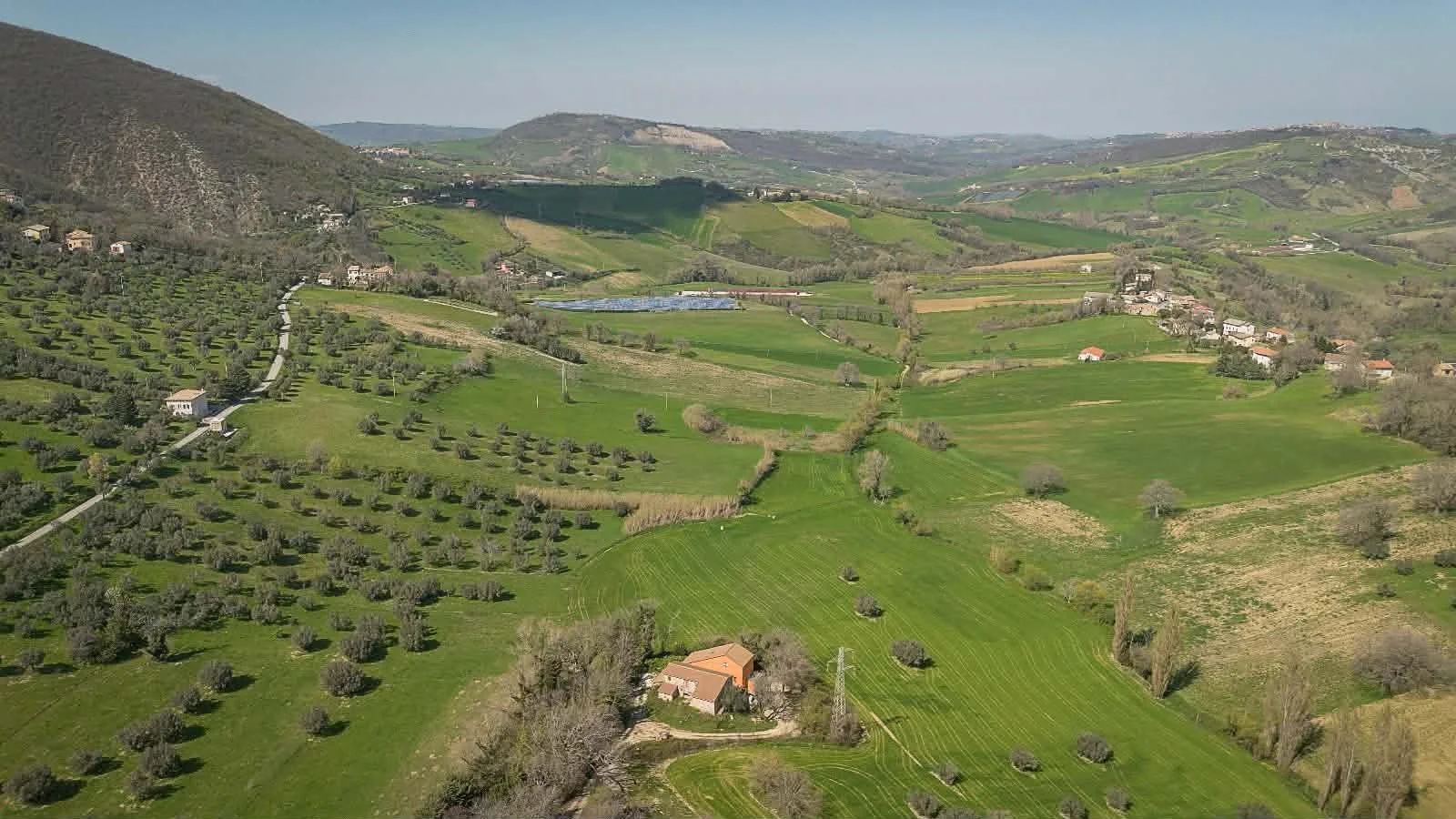
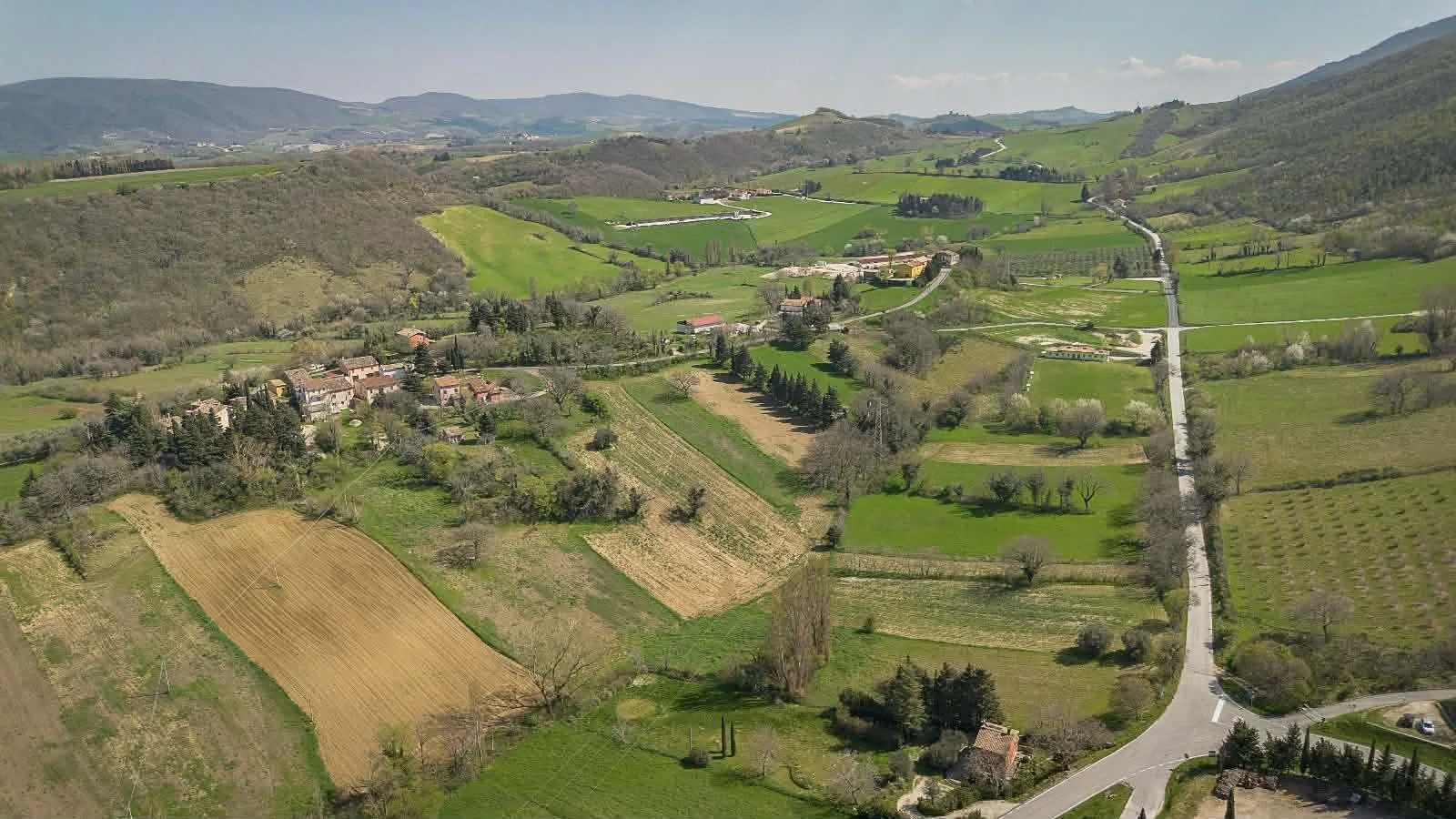
Marche is the ideal destination for relaxing, hiking, and cycling. Here, the rolling hills, hidden paths through woods and olive groves, and traffic-free secondary roads invite you to slow down: regenerating walks, trekking routes for all levels, and cycling itineraries that pass through historic villages and offer panoramic views. After a day outdoors, enjoy the silence of the countryside, a dinner featuring local products, and the comfort of eco-friendly accommodations: the perfect way to restore balance and well-being.
Apennine Mountains
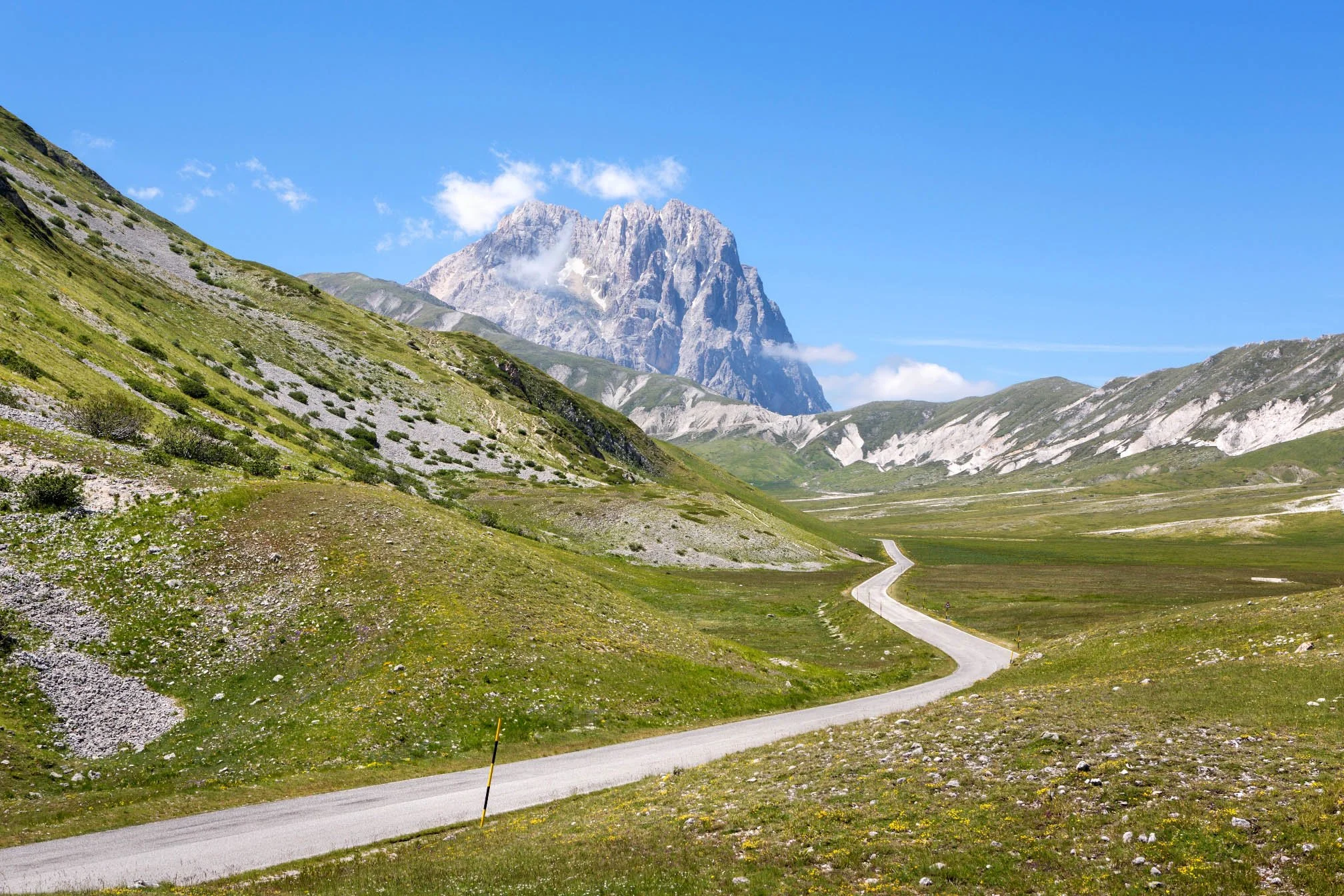
The Apennines conserve some intact ecosystems that have survived human intervention. In these are some of the best-preserved forests and montane grassland in Europe, now protected by national parks and, within them, a high diversity of flora and fauna. These mountains are one of the last refuges of the big European predators such as the Italian Wolf and the Marsican brown bear, now extinct in the rest of Central Europe.
A number of long hiking trails wind through the Apennines. Of note is European walking route E1 coming from northern Europe and traversing the lengths of the northern and central Apennines. The Grand Italian Trail begins in Trieste and after winding through the Alpine arc traverses the entire Apennine system, Sicily and Sardinia. Also, the Alta Via dei Parchi in the region of Emilia Romagna crosses 7 national and regional parks and runs mostly on the ridge (the watershed Emilia-Romagna and Tuscany, therefore Adriatic and Tyrrhenian).
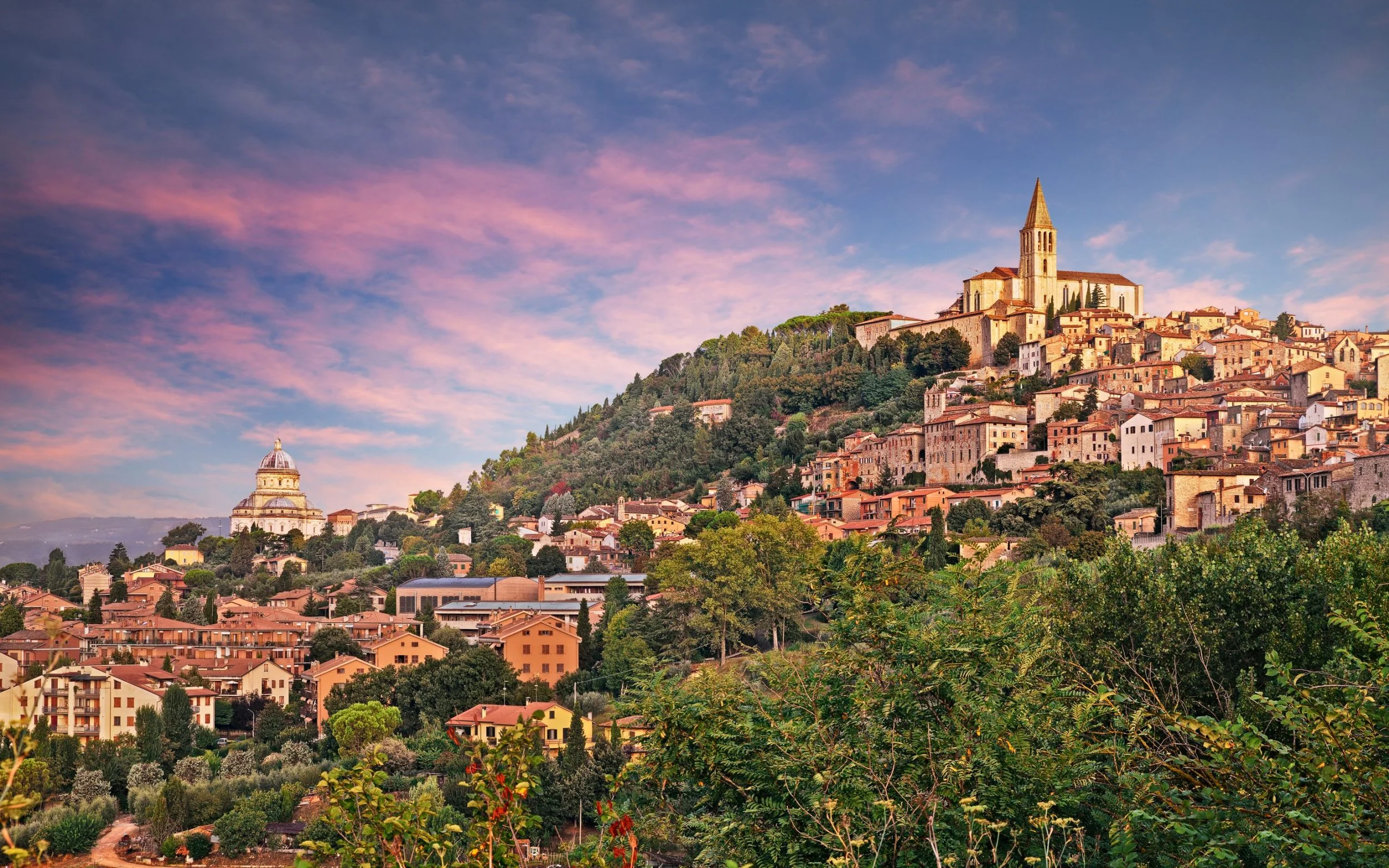
Perugia
Perugia is an Italian city and the capital of the Umbria region. It’s known for its defensive walls around the historic center. The medieval Priori Palace exhibits regional art from the 13th century onward. Looking onto Piazza IV Novembre, the Gothic cathedral houses Renaissance paintings and frescoes. In the square's center, Fontana Maggiore is a marble fountain with carvings of biblical scenes and zodiac signs.
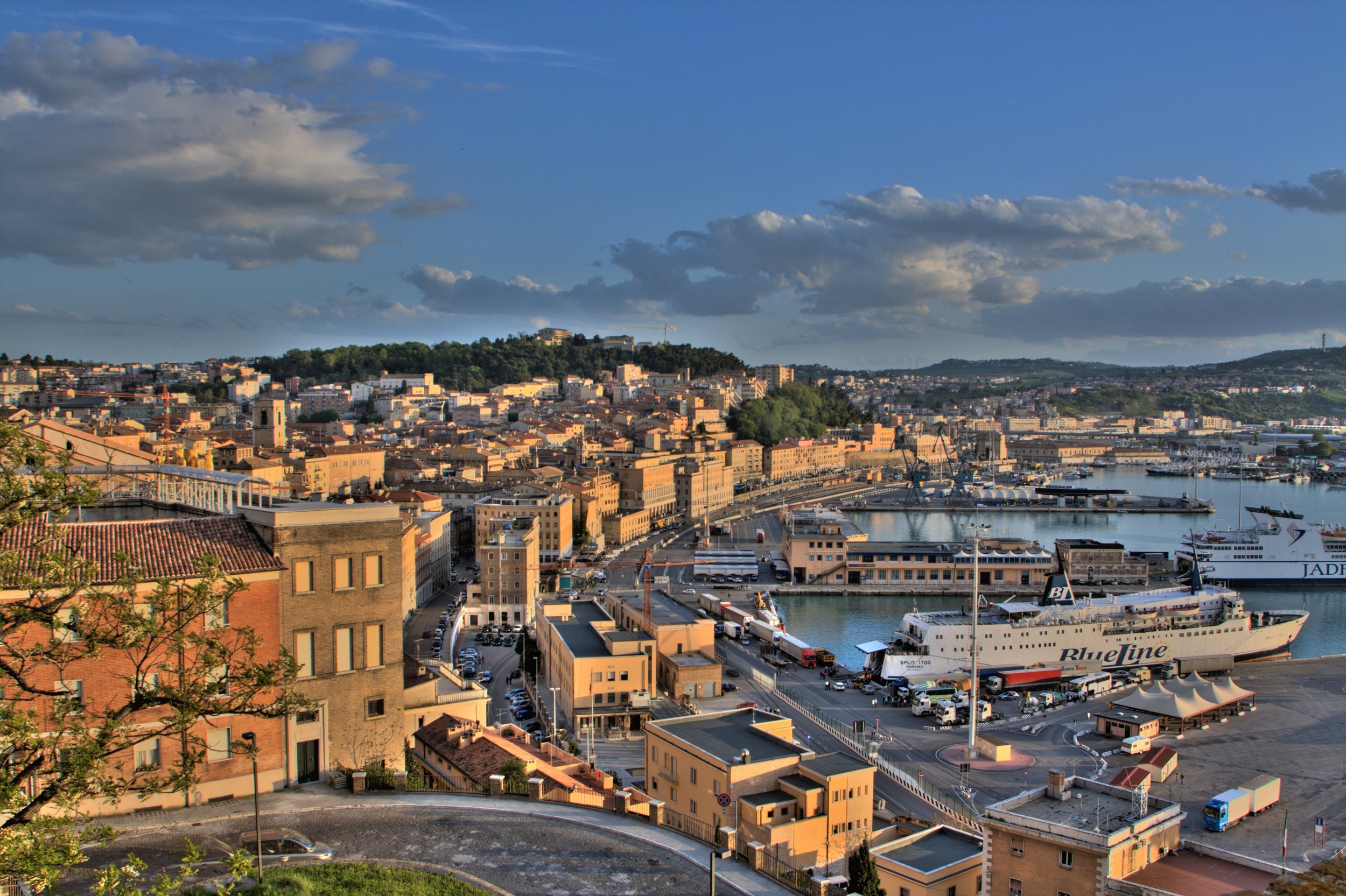
Ancona
Ancona is a city on Italy’s Adriatic coast and the capital of the Marche region. It’s known for beaches, such as Passetto Beach, and the hilltop Cathedral of San Ciriaco. In the city center, the Fontana del Calamo is a fountain with bronze masks of mythic figures. In the port are the ancient Arch of Trajan and the Lazzaretto, or Mole Vanvitelliana, an 18th-century pentagonal quarantine station on its own island.
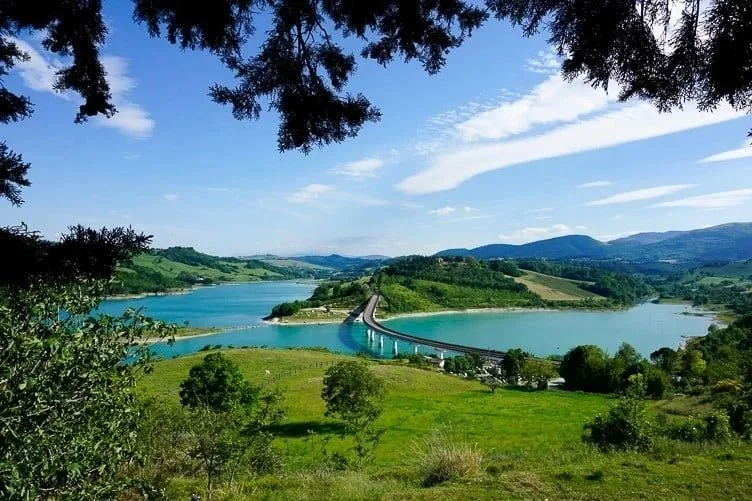
Lago di Cingoli
The (reservoir) lake of Cingoli, less than 6km away from us, is the largest lake in central Italy. It lies at the foot of the San Viceno, the mountain peak that dominates our entire area and that you can see rising everywhere. The lake is in the middle of a nature reserve and is of breathtaking beauty. Until well into spring, you can see the snow-capped peaks of the Apennines rising above the lake. The water is clear blue and in summer it is a great place to do some swimming, boating or pedal boating.
At Lago di Cingoli, you will find two (beach) tents, where you can park and rent an umbrella:
La Baia di Popeye (lively with some loud music, a riser and pedal boat hire)
Arcobaleno Beach (quiet place with basic menu)
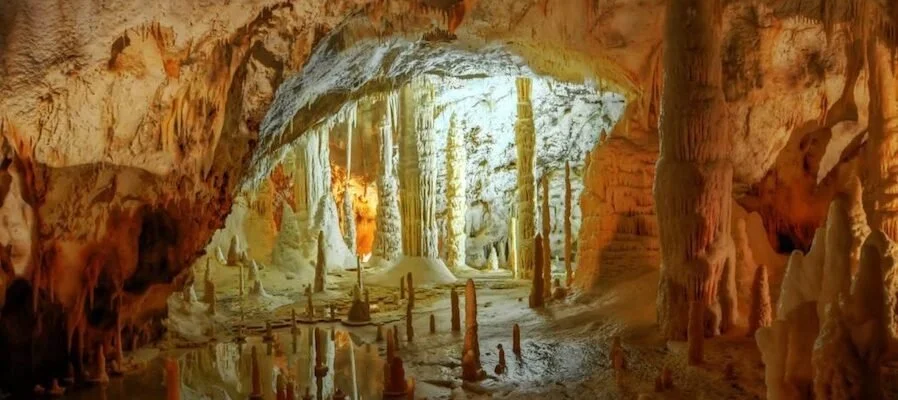
Frasassi Caves
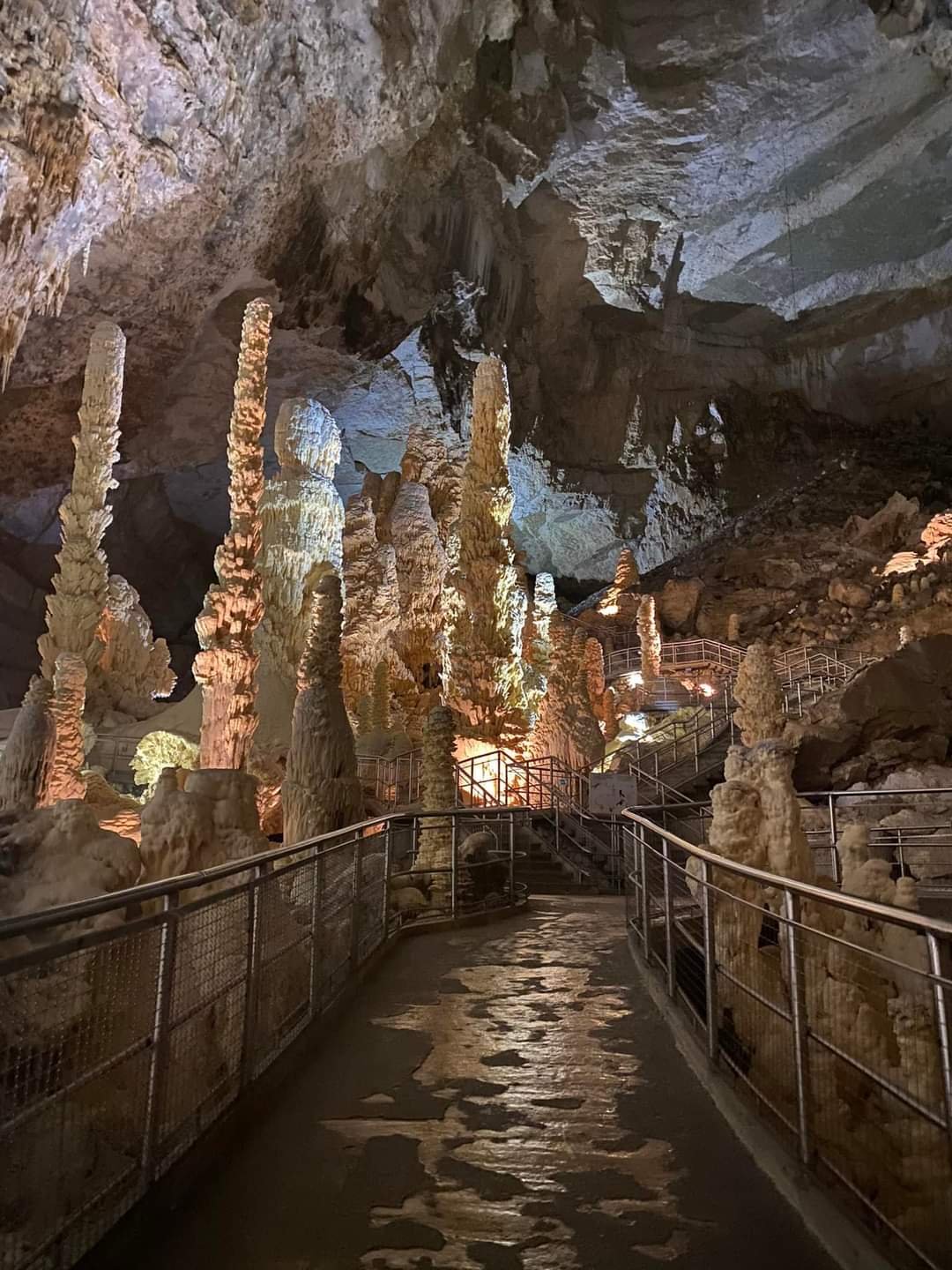
The Frasassi Caves (Italian: Grotte di Frasassi) are a karst cave system in the municipality of Genga, Italy, in the province of Ancona, Marche. They are among the most famous show caves in Italy.
An entrance to one of the Frasassi caves was discovered by a farmer on June 28, 1948. More entrances were found in the 1950s and 1960s by members of the Italian Mountaineering Club (Club Alpino Italiano) from the nearby towns of Jesi and Fabriano. In the 70’s more caves where discovered by a group of Ancona speleologists led by Giancarlo Cappanera on 25 September 1971